
A rejection from medical school can feel like a devastating setback, but it is by no means the end of your journey. From exploring related healthcare fields to considering graduate-entry pathways, numerous avenues remain open for pursuing a career in medicine and health.
What then, should you do?
Step 1: Reflect and recalibrate
It would be helpful to start by thinking about what drew you to Medicine in the first place, whether that was the science, the desire to work closely with patients, or the problem-solving aspect. This can help you identify other courses and careers that may suit you. It’s also important to look back at your application and understand what may have held you back, whether it was the admissions test, your university choices or your performance during the interview. From there, you can decide whether to strengthen your application and try again, or if it might be best to explore a different route.
Step 2: Medicine-adjacent degrees you can consider
An unsuccessful application to Medicine does not require stepping away from the healthcare sector entirely. Numerous closely related degrees allow you to delve into similar disciplines while preparing you for rewarding careers in healthcare, scientific research, and clinical practice.
- Biomedical Sciences: An ideal route for those passionate about the medical sciences. This course investigates human biology, disease mechanisms, genetics, and lab research, opening doors to roles in biotechnology, pharmaceuticals, and scientific research.
- Biochemistry: Suited for students interested in molecular biology and cellular processes. Graduates frequently pursue opportunities in pharmaceutical development, drug discovery, and broader research fields.
- Pharmaceutical Sciences: Integrates scientific expertise with patient-facing care, focusing on pharmaceutical science and the safe, effective administration of medications.
- Nursing: Provides a direct, hands-on clinical path for those committed to patient care across diverse healthcare settings.
- Physiotherapy & Occupational Therapy: Focus on rehabilitation, helping individuals recover from injury, manage long-term health conditions, and improve everyday quality of life.
- Neuroscience & Psychology: Excellent choices for those interested in studying human behavior, cognitive function, and the nervous system.
- Public Health: Focuses on population-level health, examining preventative strategies, epidemiology, and healthcare policy development.
Rather than viewing these subjects as simple backups, consider them distinct pathways with their own unique career prospects. One of which may even prove to be the perfect fit for your ambitions!
Step 3: What if I still want to become a doctor?
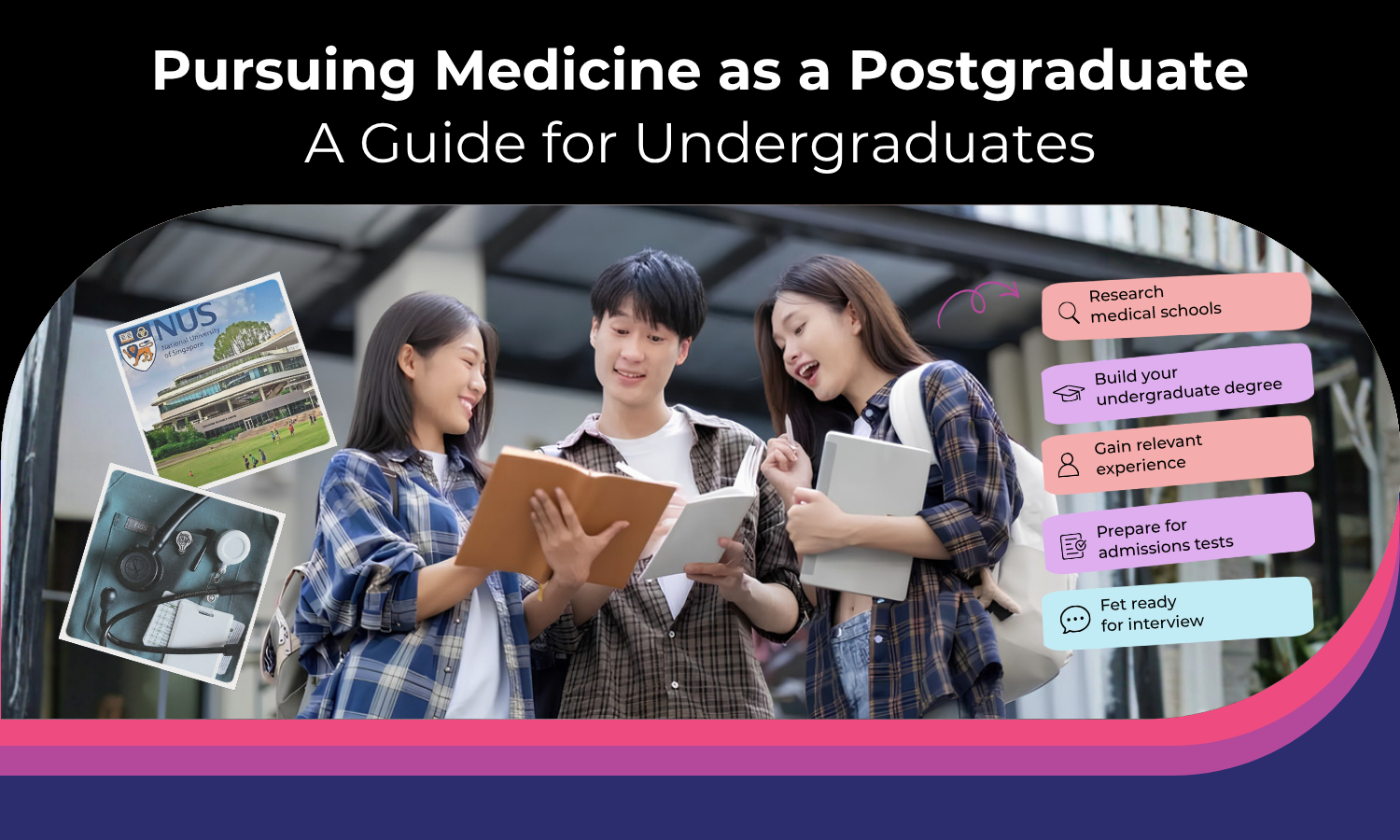
Even after a Medicine rejection, becoming a doctor can still be an achievable goal. You might opt to refine and strengthen your application for a future attempt, or you can pursue an undergraduate degree first and consider graduate-entry Medicine later.
Starting with a medicine-adjacent degree keeps the postgraduate pathway open. Because graduate-entry programmes are highly selective and have specific admission criteria, thorough research is essential when selecting your undergraduate course.
To learn more, explore our guide on pursuing Medicine as a postgraduate student.
How Icon Education can help:
Our dedicated team here at Icon Education will support you in creating a robust contingency plan to keep your journey on track, even if Plan A fails. Our coaches work closely with their students to explore suitable medicine-related degree programs, target key institutions, and establish long-term objectives. By aligning your strategy with your unique strengths, interests, and professional aspirations, we aim to empower you to navigate your options with confidence and clarity. Please do not hesitate to reach out whenever you need guidance or support, and we wish you all the best on your path forward!